
Solutions · By chemistry
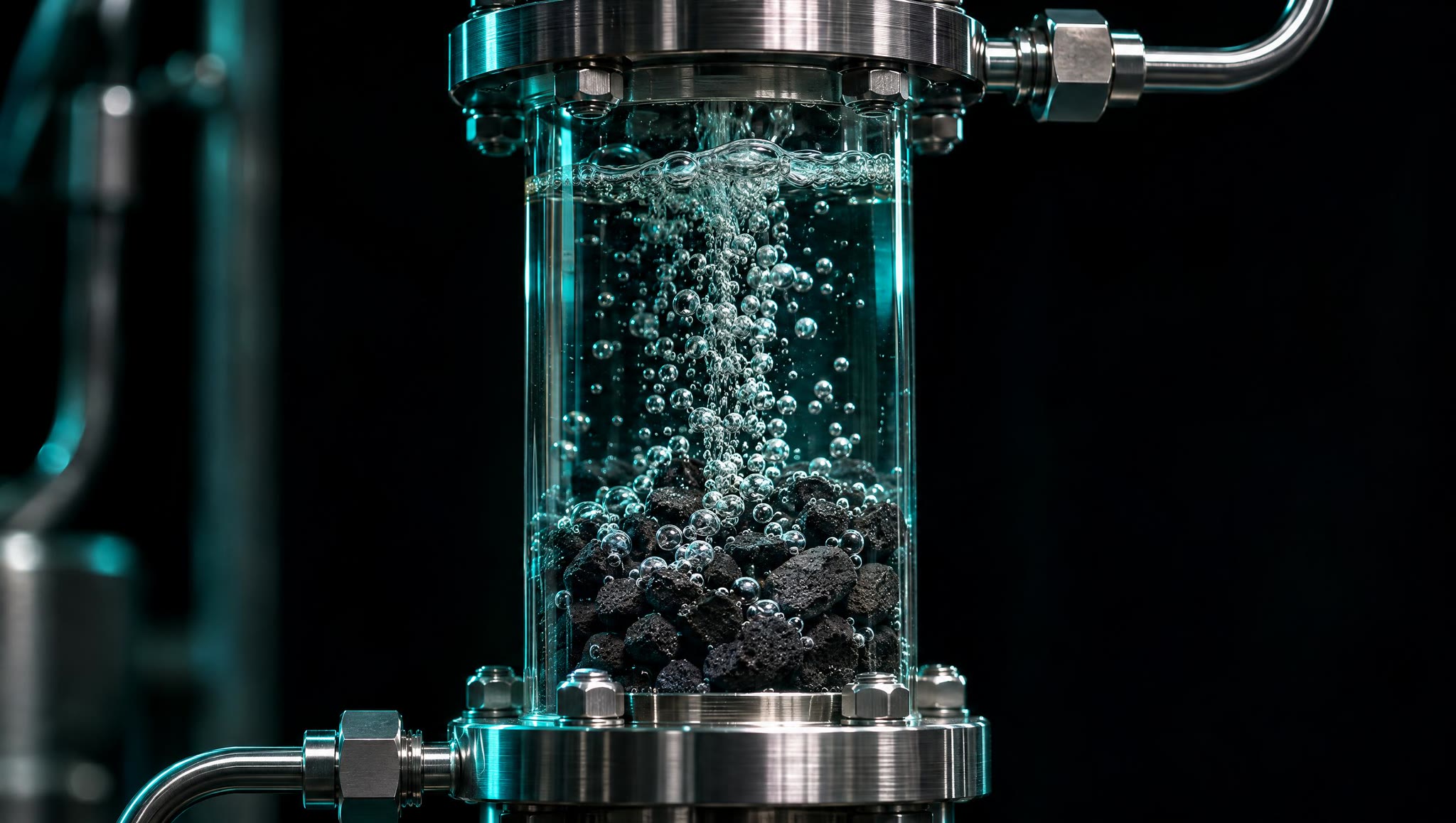
A fixed bed holds a solid or immobilised catalyst in place while the stream passes through it. The catalyst is not filtered out of every batch.
Slurry catalysis in batch means charging, stirring, filtering and handling the catalyst every time. In a packed bed the catalyst stays put, contact time is set by flow, and separation is built into the reactor.
Read the detailHide the detail
Packed beds suit heterogeneous catalysts, supported reagents and immobilised enzymes. Catalyst life, leaching, pressure drop and channelling decide whether the approach is practical. They are checked in a sustained run and not assumed.
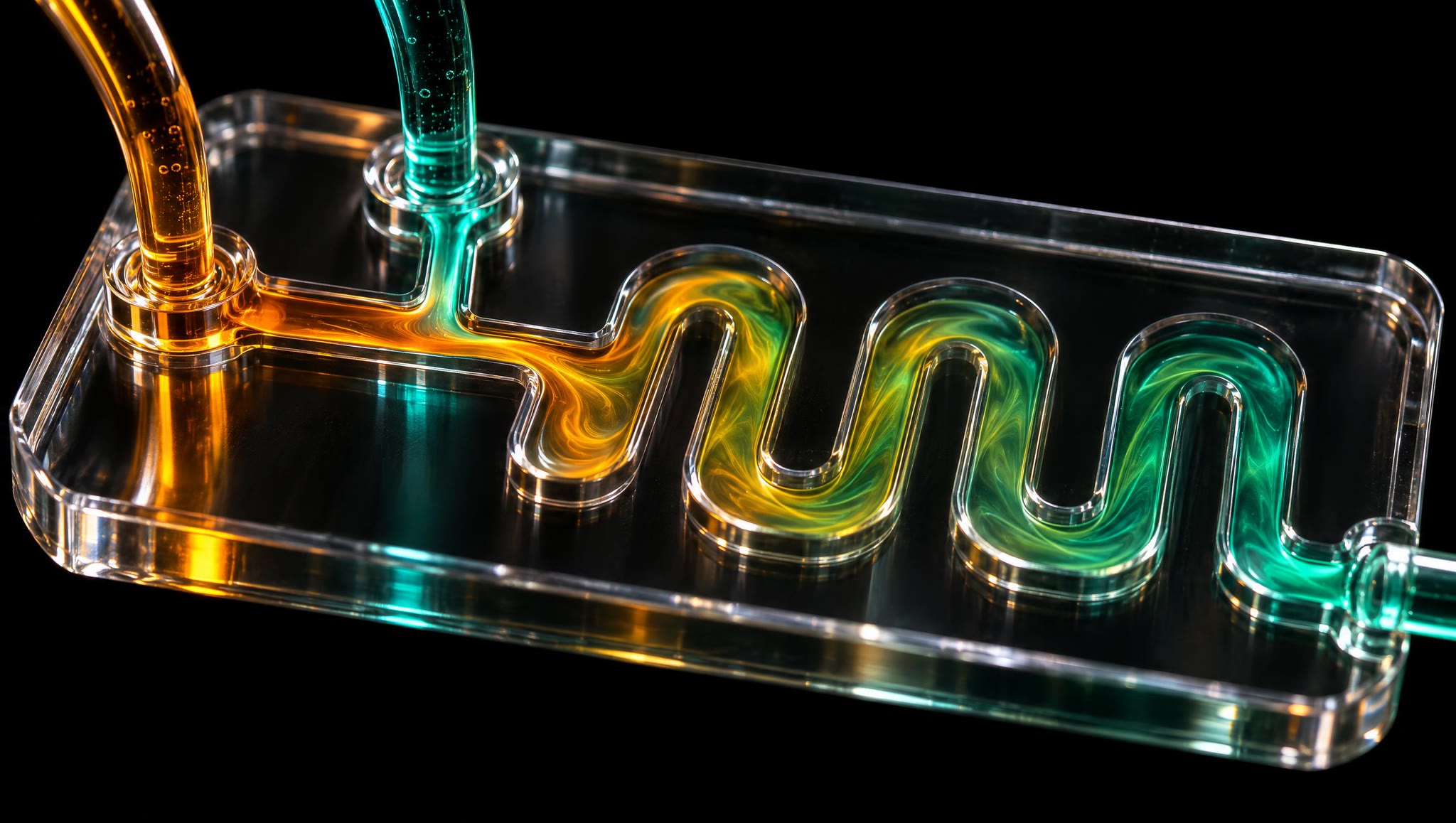
The pain
The cost of a loose catalyst.
- 01Catalyst filtration and operator exposure
- 02Catalyst loss and metal carry-over
- 03Catalyst activity that varies batch to batch
- 04Slow mass transfer in slurries
- 05Catalysts and enzymes that are hard to reuse
The approach
Prove the bed before relying on it.
- 01
Qualify the catalyst form
Particle size, support and stability decide whether a bed is workable.
- 02
Size the bed
Bed volume and flow set the contact time. Pressure drop and heat effects are checked.
- 03
Run it long enough
A sustained run shows activity over time, leaching and when the bed needs changing.
- 04
Plan the downstream
What leaves the bed is matched to the work-up, with metal content sampled where it matters.

Next step
Bring us the problem.
Share the chemistry, the current process and where it hurts. We will suggest a practical next step.